
Microdosing only works when the compound is predictable. That is why people searching for the best research chemicals for microdosing usually care less about hype and more about three things: clean effects, tight dose control, and consistent sourcing. If the material is uneven, the whole protocol gets sloppy fast.
For experienced RC buyers, the real question is not which option sounds the most exciting. It is which one stays functional at low doses, fits your schedule, and gives you enough precision to repeat the same research window without surprises. Some compounds are naturally better suited for that than others.
What makes a compound one of the best research chemicals for microdosing?
A good microdosing candidate is not just “potent.” Potency can actually make things harder if the active range is too narrow and measurement gets shaky. The better fit is a compound with a known response curve, manageable duration, and a reputation for stable low-dose effects.
In practice, researchers usually look at four filters. First is consistency. If one blotter or batch hits noticeably different from the next, it is a poor tool for structured low-dose research. Second is duration. A compound that drags too long can interfere with sleep or create next-day spillover. Third is body load. Even subtle physical tension can ruin the point of a light, productive protocol. Fourth is mental texture. Some materials feel clean and functional, while others turn scattered, edgy, or overly introspective even in small amounts.
That last point matters more than people admit. The best microdosing research usually happens with compounds that stay in the background. If the material keeps pulling attention to itself, it stops being a microdose and starts becoming the whole event.
Best research chemicals for microdosing: the top categories
Lysergamide analogs
For many experienced buyers, lysergamide analogs sit at the top of the list. Compounds like 1cP-LSD are popular because they offer familiar LSD-like territory with very strong potency per unit and a reputation for clean, manageable effects in properly controlled low-dose research.
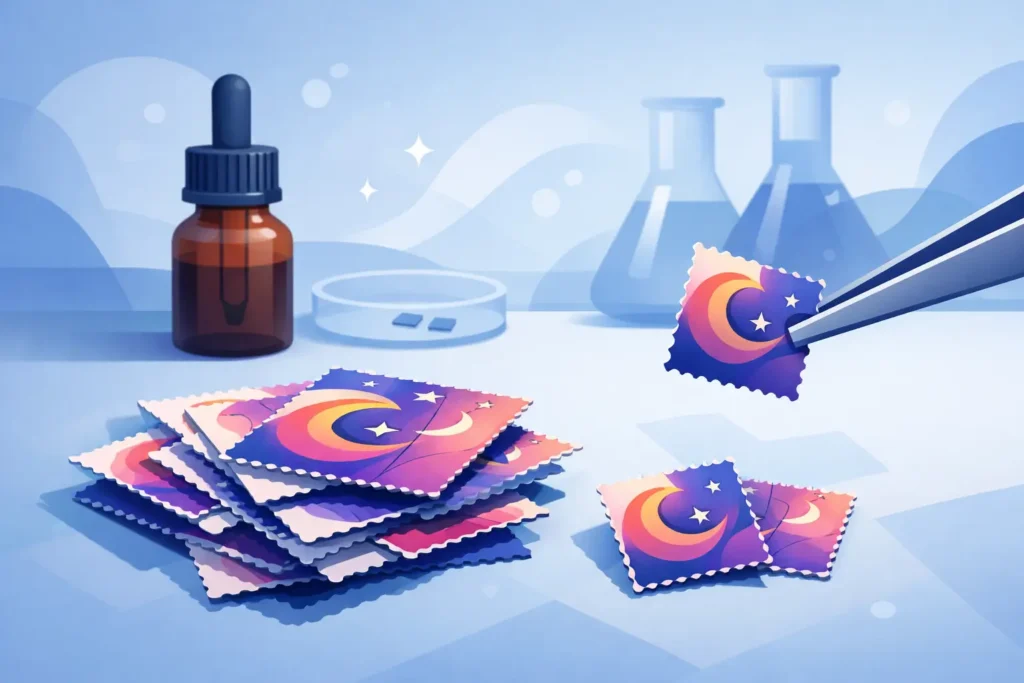
The upside is obvious. Blotter formats can make repeated use simple when laid and handled correctly, and the effect profile is often described as mentally bright, alert, and relatively smooth compared with heavier psychedelic body loads. For users who want a daytime protocol, that profile has appeal.
The trade-off is duration. Even a small amount can last a long time, which is great if you want an all-day window and less great if you dose late or are sensitive to stimulation. Precision also matters a lot. With highly active lysergamides, sloppy cutting or guesswork is how people overshoot.
Among currently discussed options, 1cP-LSD is often one of the strongest candidates for repeatable microdosing research because it combines a known reputation with easy storage and convenient format. That does not make it automatic for everyone. If you are sensitive to stimulation or need a shorter window, another class may fit better.
Tryptamine analogs
Tryptamine analogs sometimes come up in microdosing conversations because they can feel softer, more emotional, or more fluid than lysergamides. Depending on the specific compound, that can be a feature or a problem.
The main advantage is that some researchers prefer the gentler tone. The main drawback is variability. Certain tryptamines can feel less crisp, less functional, or more mood-dependent at low doses. That makes them harder to recommend as first-line options if your goal is repeatable performance and not just experimentation.
This category tends to work best for people who already know they respond well to tryptamine-style effects and are not expecting the same structured, energetic profile associated with LSD analogs. If your target is focus and operational consistency, lysergamides usually stay ahead.
Phenethylamine-style options
Phenethylamine-related compounds are sometimes considered because of their stimulating or sensory character. On paper, that can sound ideal for a productivity-minded microdose. In practice, it depends heavily on the exact compound.
Some can feel too pushy, too physical, or too variable in the low-dose range. Instead of a subtle lift, the result can be tension, distraction, or a weird in-between state that is neither functional nor fully recreational. That is why this category is more of a selective pick than a default recommendation.
For experienced researchers who already understand their response patterns, certain phenethylamine-adjacent options may deserve testing. For most buyers looking for the best research chemicals for microdosing, though, they are usually secondary to lysergamides.
Why 1cP-LSD stays near the top
There is a reason 1cP-LSD keeps showing up in serious microdosing discussions. It checks a lot of boxes that matter in actual use. The profile is familiar, the format is practical, and the low-dose effect range is often described as clear rather than muddy.
That clarity is the big selling point. Researchers chasing subtle enhancement usually do not want emotional turbulence or heavy body sensation. They want a compound that can sit in the background while still being noticeable enough to justify the protocol. 1cP-LSD often lands in that lane.
The caution is simple. Because it is potent, precision matters more than confidence. If your measuring method is weak, your results will be weak too. Good material still needs disciplined handling.
Format matters almost as much as the compound
People spend a lot of time debating molecules and not enough time thinking about delivery format. For microdosing, format can make or break consistency.
Blotters are convenient and familiar, especially with compounds like 1cP-LSD. They are easy to store, simple to portion when properly prepared, and efficient for repeat users. But convenience is only useful if the product is laid evenly and sourced from a vendor with real quality controls.
Powders can offer flexibility, but they also demand stronger technique. If you do not have accurate measurement practices, powder introduces room for error fast. That does not mean powder is bad. It means it rewards precision and punishes guessing.
Liquid solutions can be useful for fine control, but stability, storage, and preparation standards matter. For many buyers, the most practical route is the one that gives repeatable intake with the fewest chances to make avoidable mistakes.
How to choose the right microdosing compound for your goals
The best pick depends on what you actually want from the protocol. If you want a long, mentally bright research window with strong reputation and wide community familiarity, a lysergamide analog like 1cP-LSD is usually the first place to look.
If you are more interested in softer mood texture and do not mind less of a productivity edge, some tryptamine options may be worth exploring. If you want stimulation or sensory lift, selected phenethylamine-style compounds can enter the conversation, but they require more caution because the line between subtle and uncomfortable can get thin.
Lifestyle also matters. Long-duration compounds are harder to fit into unpredictable schedules. More stimulating compounds can clash with caffeine-heavy routines. Materials with more emotional character may feel great one week and misplaced the next. Microdosing is not just chemistry. It is chemistry plus context.
Quality control decides whether the protocol is worth anything
Here is the blunt version: even the best compound becomes a bad choice if the source is unreliable. Microdosing depends on consistency more than almost any other use case. You are working with small amounts where minor variation matters.
That is why buyers who know the category prioritize lab-tested material, clear product labeling, and vendors with a real operational backbone. Fast processing helps. Discreet shipping helps. Reliable stock matters if you plan to maintain the same protocol without switching compounds every few weeks. What matters most, though, is whether the batch is consistent enough to support repeatable research.
This is where a vendor like Official Chemistry King fits the conversation naturally. The value is not just having access to known RC staples. It is having clearly named products, quality-focused messaging, and a system built around repeat ordering, privacy-first checkout, and dependable fulfillment. For microdosing, that operational consistency is not a side perk. It is part of the product.
The smartest approach is usually the least flashy
A lot of people enter the category looking for the most exotic answer. Most of the time, the better answer is the one with the cleanest track record. That is why lysergamide analogs, especially 1cP-LSD, continue to lead the field for many experienced buyers researching low-dose protocols.
Not every compound that feels strong will feel clean. Not every stimulating analog will feel productive. And not every subtle option will be worth repeating. The best research chemicals for microdosing are usually the ones that make consistency easy, not the ones that make marketing easy.
If you want better outcomes, think less about novelty and more about precision. The right compound should fit your schedule, your tolerance for duration, and your need for control. Start there, and the rest of the decision gets a lot sharper.