You do not need a finance background to get through a crypto checkout guide. You need a wallet, the right coin, the correct amount, and five clean minutes without rushing. That is it. Most checkout problems happen for simple reasons – wrong network, late payment, underpaying fees, or copying an address carelessly. Get those details right and crypto is one of the fastest, cleanest ways to place an order while keeping your payment flow tight and private.
For buyers who care about speed, discretion, and repeatability, crypto checkout is not some extra hurdle. It is the system. Once you understand the basic flow, you stop thinking about it and start using it like any other tool – open wallet, send, confirm, done. If you are new, this article gets you from zero to checkout-ready. If you already buy with crypto, it will help you avoid the small errors that slow down processing.
Why a crypto checkout guide matters
A good crypto checkout guide saves more than time. It reduces preventable mistakes that can delay verification or force you to troubleshoot a payment that should have taken minutes. In a category where privacy and timing matter, that difference counts.
Crypto also gives you more control over how you pay. You are not depending on a card processor deciding what does or does not pass. You choose the asset, you send the payment, and you can verify the transaction yourself on the blockchain. That level of control is a big reason experienced buyers stick with BTC or USDT once they get used to the process.
There is a trade-off, though. Crypto payments are not forgiving if you get sloppy. Sending the wrong coin to the wrong address or using the wrong network is not like mistyping a ZIP code. That is why precision matters. Treat checkout like lab work – verify, then move.
Start with the right wallet
Your wallet is where your crypto lives and where your payment gets sent from. If you are brand new, the easiest path is usually a mobile wallet with a clear send and receive interface. If you already use an exchange app, that can work too, but a personal wallet often gives you better visibility and control during checkout.
What matters most is compatibility. If you plan to pay in BTC, use a wallet that supports Bitcoin natively. If you plan to pay in USDT, make sure your wallet supports the exact network your checkout requires. This is where first-timers get clipped. USDT is not one single rail. It exists on multiple networks, and sending it on the wrong one can create a mess.
Keep your wallet secured before you ever fund it. Back up the recovery phrase offline, store it somewhere safe, and never hand it to anyone. Real support can help with checkout steps, but nobody legitimate needs your seed phrase. Ever.
BTC or USDT – which makes more sense?
For most buyers, the choice comes down to volatility versus convenience. BTC is widely recognized, easy to source, and straightforward if you already hold it. The downside is price movement. If Bitcoin swings hard between the moment you fund your wallet and the moment you check out, your total can shift.
USDT is usually easier if you want a stable amount. One USDT is designed to track one US dollar, so pricing feels more predictable. That makes it useful for buyers who want to hit the exact payment amount without watching the market every minute. The catch is network selection. With BTC, the network question is usually simpler. With USDT, you need to pay close attention to the chain being used.
Neither option is automatically better every time. If speed and familiarity matter, BTC may be enough. If pricing stability matters more, USDT often wins.
How the crypto checkout guide works in practice
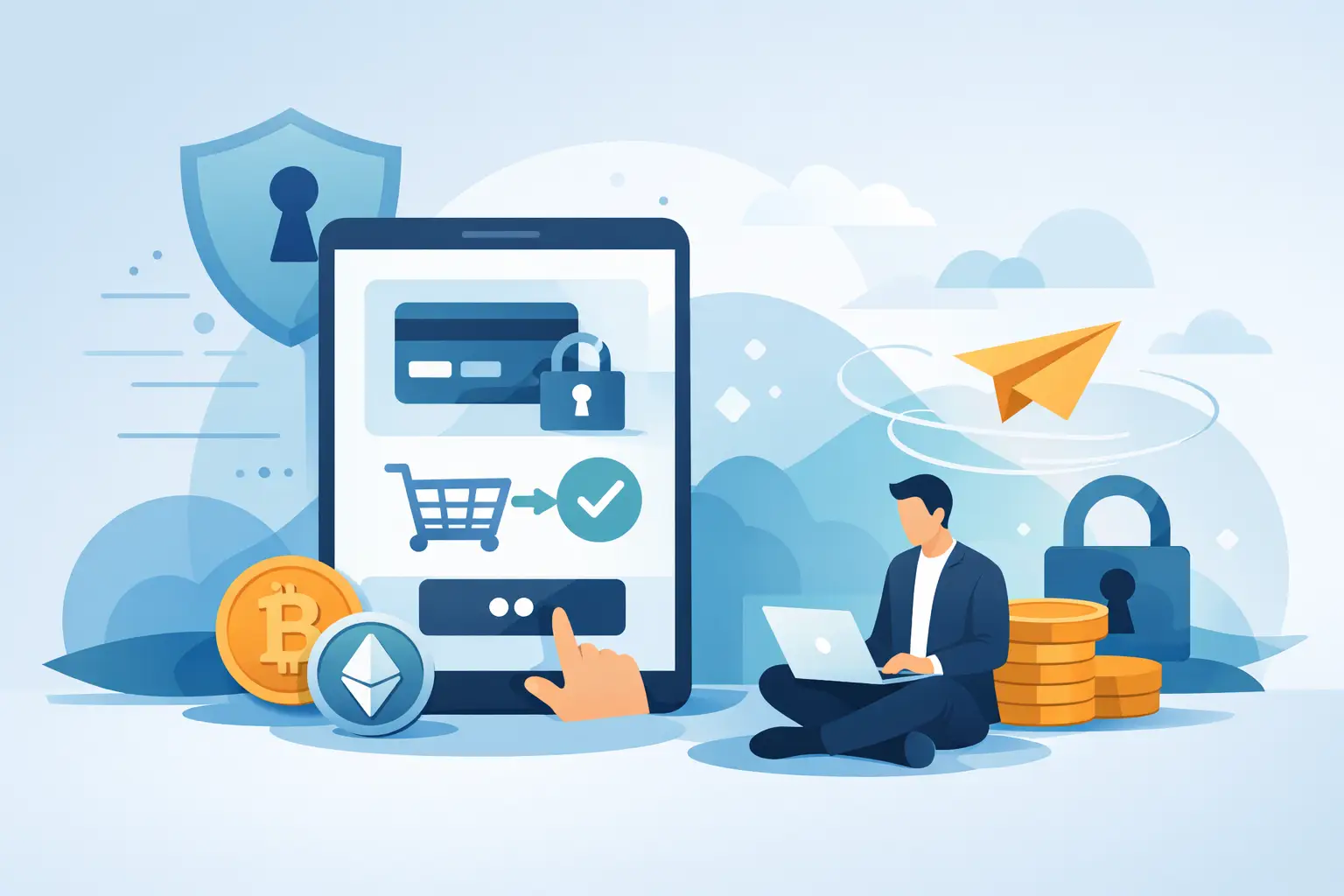
The actual payment flow is simple once you see it a few times. You add products to cart, choose crypto at checkout, and select the coin you want to use. The checkout page then provides a wallet address and usually an exact payment amount.
From there, open your wallet and copy the payment details carefully. Do not type addresses manually. Copy and paste, then compare the first few and last few characters before sending. If there is a QR code, scanning it can reduce mistakes even more.
Next, send the exact amount requested. Not almost exact. Exact. Underpaying can create delays, and overpaying does not always make reconciliation easier. If your wallet asks about network or miner fees, remember that those fees are separate from the order total in many cases. Cutting fees too aggressively can slow confirmation times.
After sending, save the transaction ID if your wallet provides it. That single piece of data makes support much faster if you ever need to verify a payment. It is your receipt on-chain.
The mistakes that slow buyers down
Most crypto checkout issues are boring, not mysterious. The biggest one is sending the right asset on the wrong network. This shows up most often with USDT. Read every checkout instruction carefully before you hit send.
The second common problem is waiting too long. Some checkout quotes are time-sensitive because crypto prices move. If a quote expires, do not assume the old amount is still valid. Refresh and use the current payment details.
The third issue is sending from the wrong place. Some exchanges batch withdrawals, delay transfers, or make it harder to track your payment in real time. That does not mean exchanges never work, but if you want smoother control, a dedicated wallet is often cleaner.
Then there is basic user error – pasting the wrong address, skipping confirmation screens, or rushing because you want the order done in 30 seconds. Fast is good. Sloppy is expensive.
Timing matters more than people think
Crypto checkout is not just about paying. It is about paying cleanly and at the right time. If a store processes paid orders before a daily cutoff, that cutoff matters. Miss it by a little and your order may move on the next cycle instead of the current one.
That means smart buyers do not wait until the last minute to buy crypto, transfer it, and then start checkout. They set up the wallet first, fund it ahead of time, and keep enough balance ready if they order regularly. That removes pressure and helps you move when stock is live.
This is especially useful with fast-moving inventory, restocks, and weekly deals. If you are trying to grab a specific item or bulk quantity, having your payment method ready is not optional. It is part of the strategy.
Privacy and control without the drama
One reason buyers prefer crypto is simple – less exposure. You are not handing over card details, billing profiles, or more personal payment data than necessary. That does not make you invisible, and nobody serious should pretend otherwise, but it does give you more control over the transaction footprint.
Good privacy habits still matter. Use strong passwords on your exchange and wallet accounts. Turn on two-factor authentication. Avoid sending payments over public Wi-Fi. Double-check URLs and wallet apps before logging in. Crypto gives you control, but it also puts more responsibility in your hands.
That is not a drawback for most experienced buyers. It is the point.
Making your first order easier
If this is your first crypto payment, keep the first run simple. Choose one product, one coin, one wallet, and take your time. Do not try to learn five new tools at once. The goal is not to become a trader. The goal is to complete checkout cleanly.
It also helps to do a quick self-check before sending. Is this the correct coin? Is this the correct network? Does the amount match the checkout page? Have you accounted for transfer fees? Did you verify the address characters? That 20-second review can save hours.
If you plan to order often, the process gets even smoother after the first successful payment. Buyers who build a routine – fund wallet, monitor stock, check out promptly, keep records – usually have fewer issues and faster turnaround. That is one reason crypto-only stores like Official Chemistry King lean into a guided payment flow. It rewards buyers who value precision.
Crypto checkout guide mindset – clean inputs, fast outcomes
The best way to approach crypto checkout is with control, not hype. You are not chasing novelty. You are using a payment method built for speed, privacy, and direct verification. When you keep your wallet ready, choose the right asset, and confirm every detail before sending, the whole system feels less like a workaround and more like standard operating procedure.
If you are new, learn the flow once and do it right. If you are experienced, tighten the routine. Clean inputs usually lead to fast outcomes – and that is the whole game.